Component matching sheet
Record interfaces, drawing revisions and open fit questions.
Download CSV ↓

From the first bottle shortlist to the final sample.
Practical guidance for a complete, considered perfume pack.
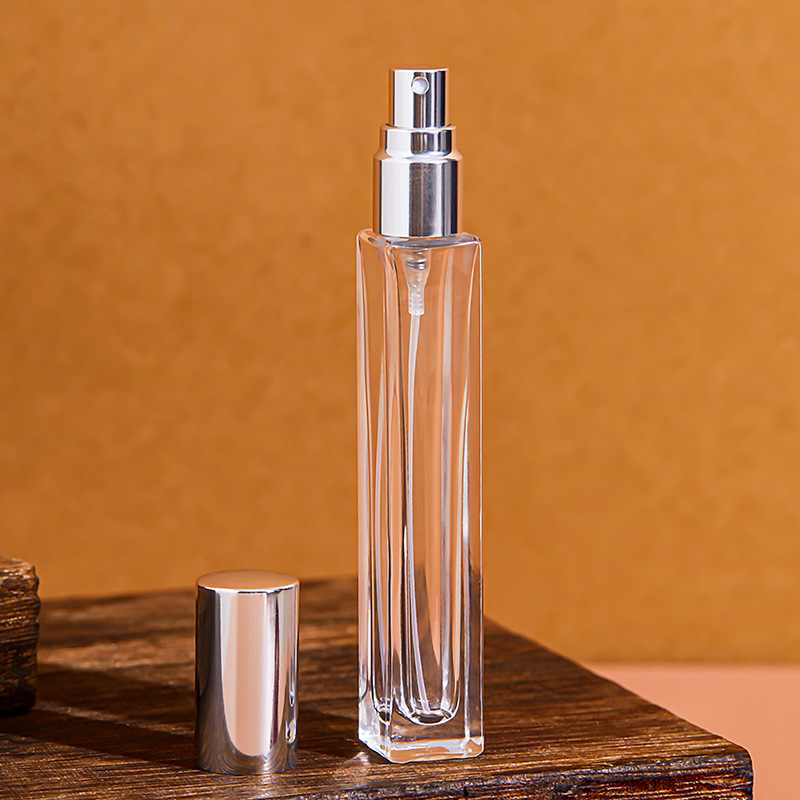
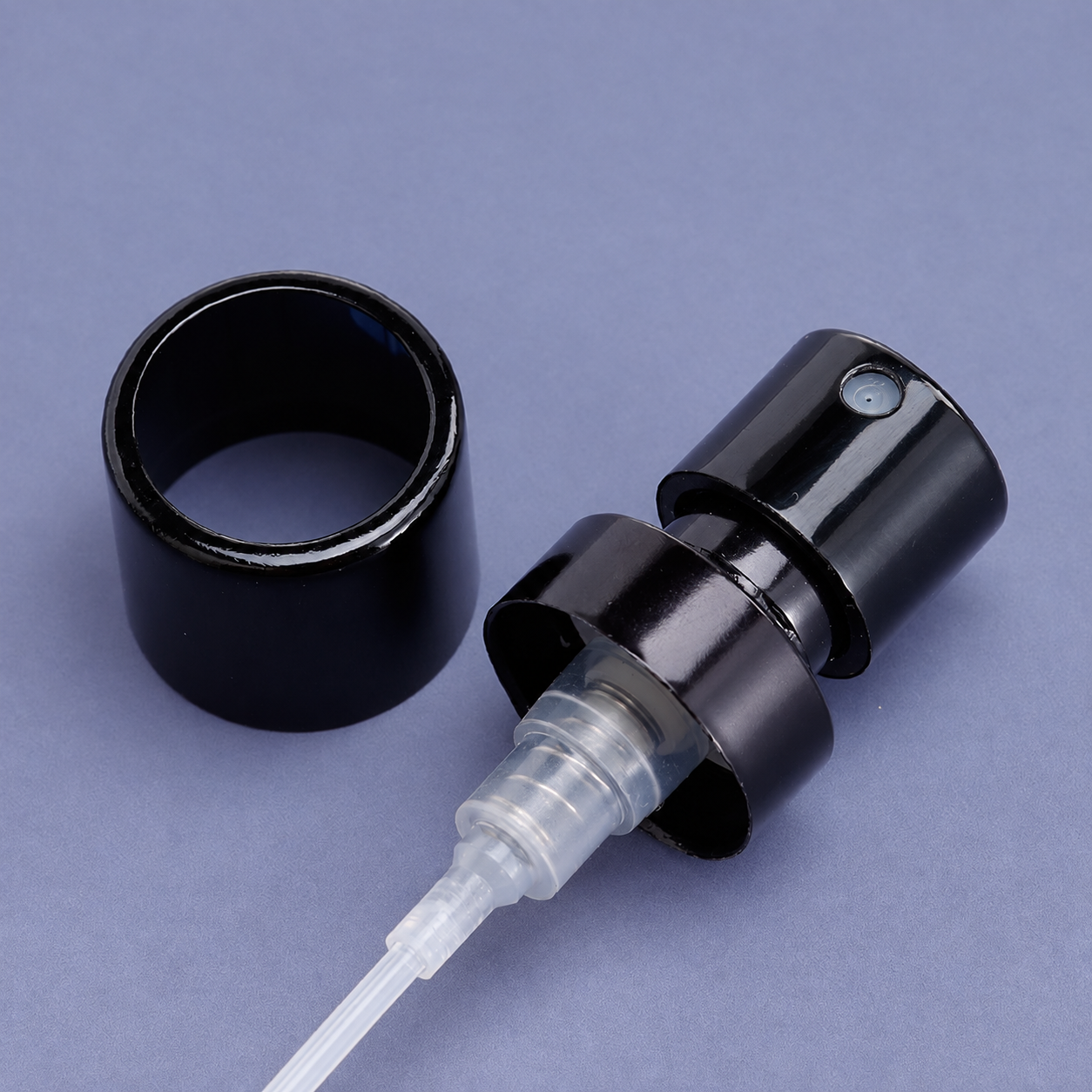
Use your own project details. Keep the results, identify what is missing and take a better brief to your supplier.
Compare the route against your quantity, design and timing. Leave with a list of decisions to confirm.
Plan my packaging ↗02 / COMPONENT FITFind known mismatches and missing evidence before you approve an assembled sample.
Check my components ↗03 / PROBLEM SOLVINGWork through leakage, spray, cap-fit and transit symptoms with an evidence checklist.
Start a fit investigation ↗04 / SAMPLE APPROVALTrack drawing revisions, agreed acceptance criteria and evidence before bulk release.
Build an approval record ↗05 / PACKINGCalculate a carton allowance and flag unit-weight contradictions before requesting freight.
Calculate carton allowance ↗06 / REQUEST FOR QUOTATIONBring bottle, pump, cap, finish and delivery requirements into one editable request.
Build my RFQ ↗Each guide explains what to compare, what evidence to request and what to confirm before ordering.
48 guides
Compare a few controlled changes instead of asking for an unspecified cheaper bottle.
Read the guide →
Separate an early demonstration from the tests needed for your own formula.
Read the guide →
State the orientation requirement before selecting a magnetic closure.
Read the guide →Separate a market-test pack from the final decorated production version.
Read the guide →
Request evidence that identifies the actual order and the checks performed.
Read the guide →Spend on the next unresolved decision instead of sampling the entire catalogue.
Read the guide →
Test the actual label on the actual decoration area before buying printed stock.
Read the guide →Turn a subjective preference into a sample comparison the supplier can act on.
Read the guide →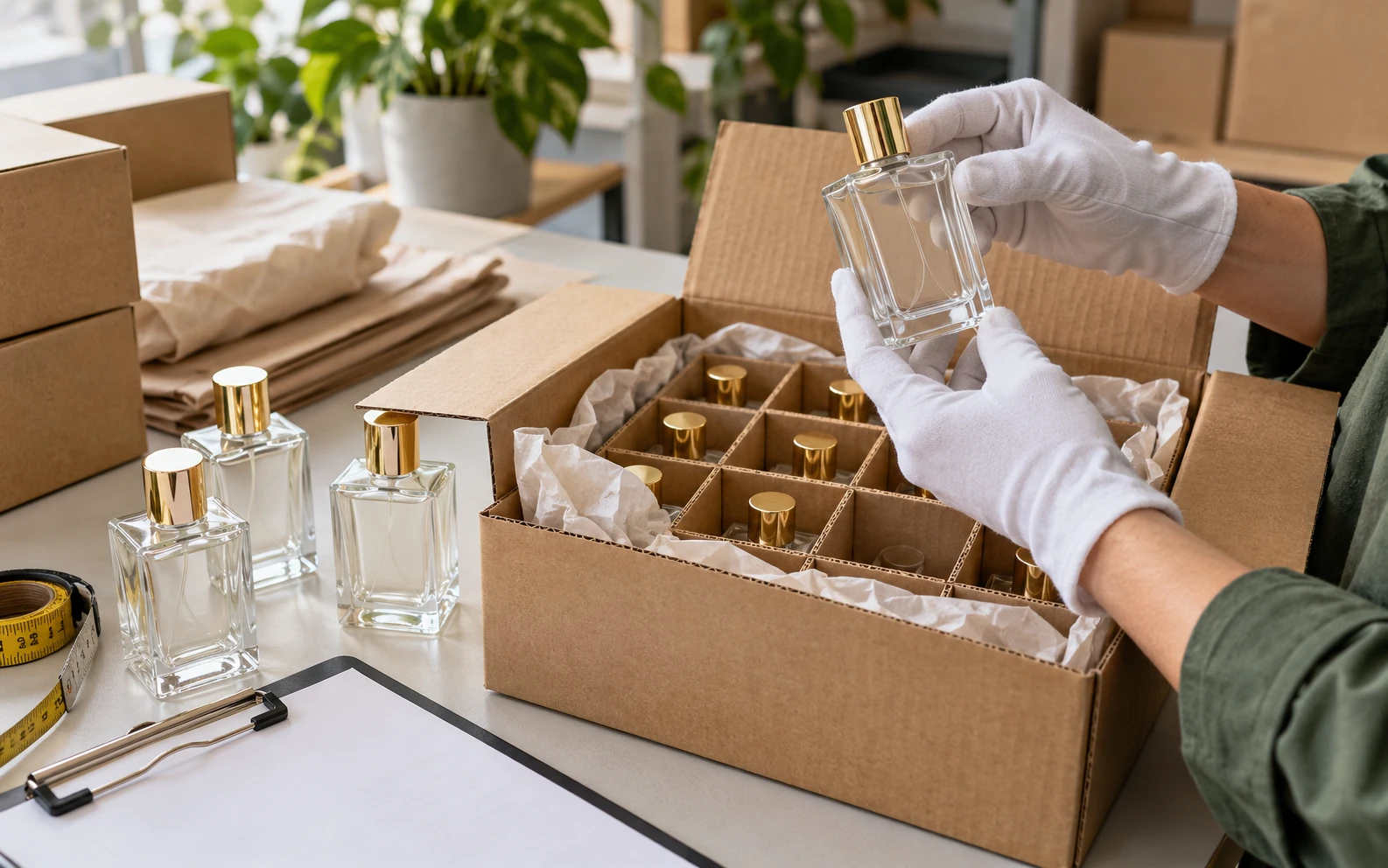
Trace when the marks appeared and review how finished surfaces touch in packing.
Read the guide →Give the decorator a clear front, orientation and placement reference.
Read the guide →Prepare a clear investigation record when appearance, odor or component condition differs.
Read the guide →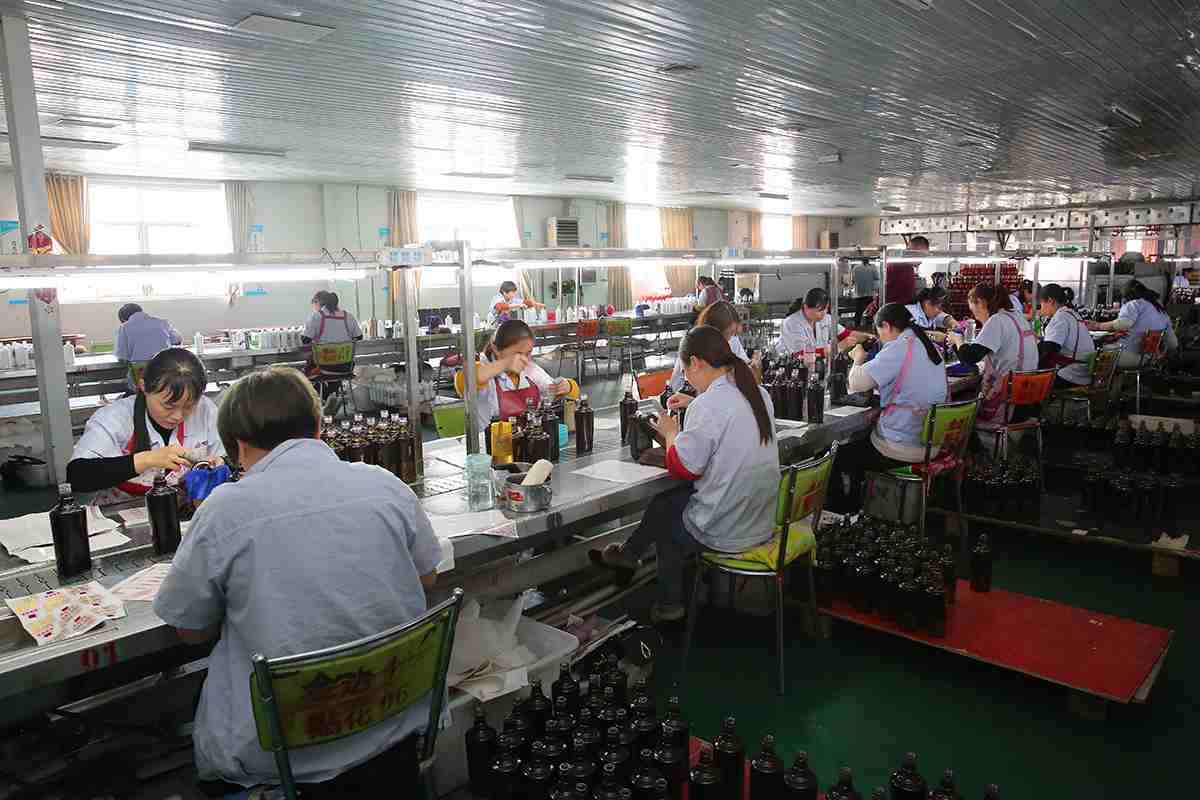
Give one person ownership of the complete assembly instead of relying on three separate assurances.
Read the guide →Compare handling, dimensions and shipment data before choosing glass weight.
Read the guide →Check clearance before treating an unintended discharge as a pump-only problem.
Read the guide →Test the actual sizes before investing in a common cap and logo.
Read the guide →
Check the filled appearance before choosing a surface finish.
Read the guide →Prevent a convincing-looking trial from using the wrong insert, collar or pump.
Read the guide →Compare the full cost and complete-set quantities before agreeing a split dispatch.
Read the guide →Protect the parts you already own while comparing a substitute bottle.
Read the guide →Check inventory identity, condition and assembly scope before sourcing replacements.
Read the guide →Clarify material, finish and acceptable visual variation before choosing the cap.
Read the guide →Find out whether the issue is the file, scale, surface or proposed process.
Read the guide →Preserve the packing evidence and establish the affected quantity before sorting everything.
Read the guide →Keep delivery labels, component counts and receiving responsibilities clear.
Read the guide →Know which measurements to request before choosing a pump, cap or retail box.
Read the guide →What to check when the bottle and pump carry the same nominal size.
Read the guide →Find the measurements behind cap height, clearance and seating.
Read the guide →Choose the process around the design you need to achieve.
Read the guide →Make the approval useful to production, purchasing and the receiving team.
Read the guide →Use the same component list and quantity split for both suppliers.
Read the guide →Three sourcing routes, and the questions that decide between them.
Read the guide →What a filled sample can tell you about pickup, priming and spray.
Read the guide →Compare construction, handling and the parts included in the price.
Read the guide →A useful development brief leaves room for engineering without losing the design intent.
Read the guide →A useful problem report helps the supplier investigate without guessing.
Read the guide →The packing figures your forwarder needs, with a worked carton example.
Read the guide →Compare the selling format and order split before committing to a full range.
Read the guide →Choose a pump attachment your planned assembly process can support.
Read the guide →Check the construction and included parts before comparing the quotation.
Read the guide →Files, placement and physical samples to settle before printing.
Read the guide →A receiving sequence that keeps quantities, condition and assembly decisions separate.
Read the guide →Work back through filling, arrival, dispatch and approvals.
Read the guide →Keep the appearance consistent without assuming every component is identical.
Read the guide →Turn a bottle photo into a useful component-matching request.
Read the guide →A small, labeled comparison set is more useful than a box of unrelated options.
Read the guide →Agree a coordinated finish using the actual components together.
Read the guide →A short reorder check can keep a quiet substitution from reaching filling.
Read the guide →Build the component count first, then agree setup and spare quantities.
Read the guide →Download directly. Fill in the actual references, agreed criteria and evidence for your project.
Record interfaces, drawing revisions and open fit questions.
Download CSV ↓Record criteria, evidence, status and the responsible reviewer.
Download CSV ↓Keep bottle, pump, cap, finish and shipment scope together.
Download TXT ↓Start with the references you know. Keep the open questions visible. We can review the bottle, pump, cap and finish together.