
Start with the order and packing list before opening random cartons. You need to know which parts should be present, which versions were approved and what inspection criteria the parties agreed.
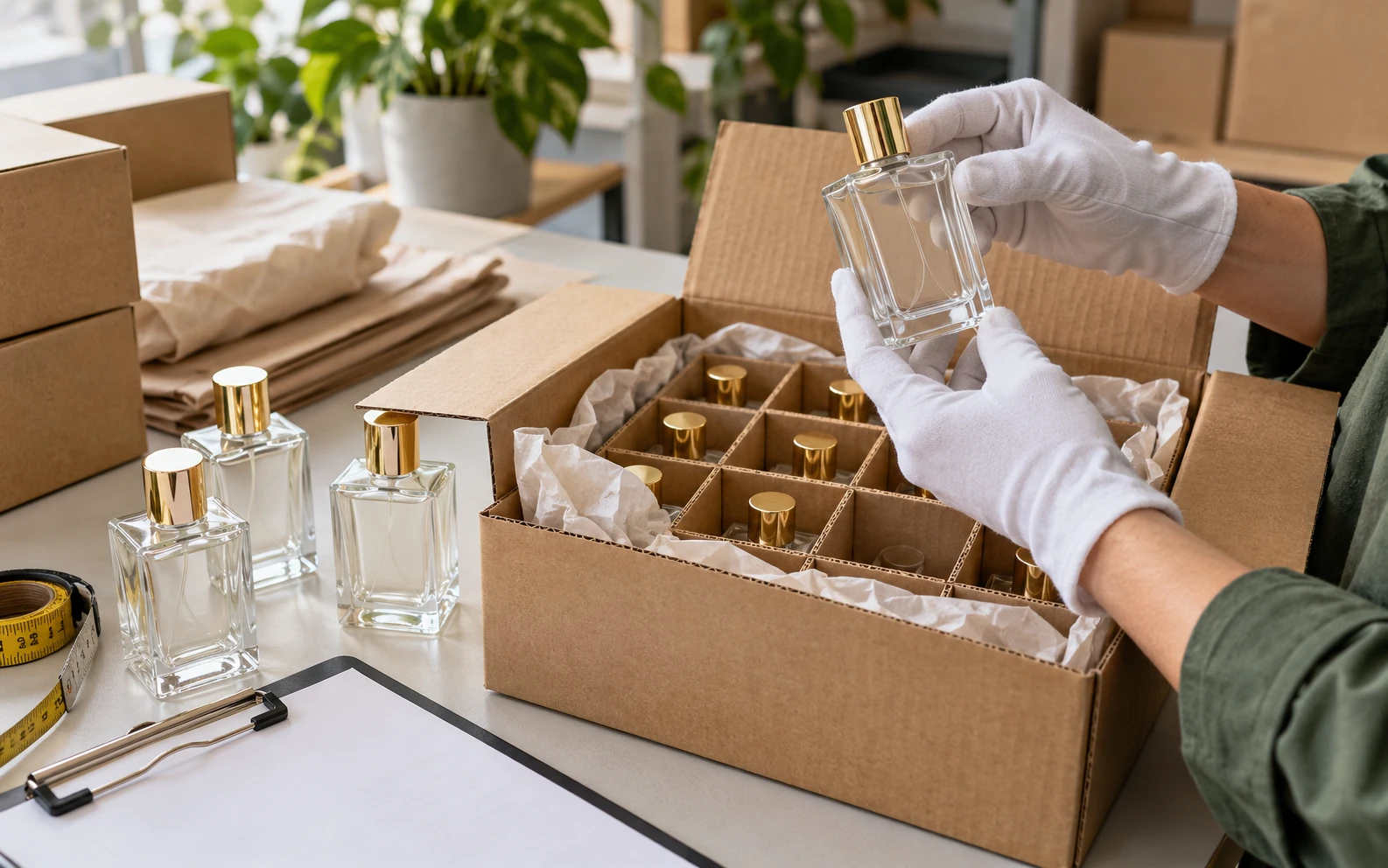
Receiving checklist for bottles, pumps and caps
| Stage | Check against the approved specification | Record / action |
|---|---|---|
| Before unpacking | PO, product references, lot labels, carton count and visible delivery damage. | Photograph unopened cartons and labels. Separate any damaged cartons. |
| Bottle inspection | Glass appearance, neck condition, chips or cracks and critical dimensions on the agreed drawing. | Record inspected and affected quantities by defect type. Keep suspect samples. |
| Decoration review | Artwork version, position, color and surface condition against the approved physical sample. | Photograph differences under consistent light. Do not approve from a screen color alone. |
| Pump and cap fit | Mounting, cap seating, tube pickup and spray behavior on the complete filled assembly. | Use the agreed formula and test method. Record the exact three component references. |
| Release decision | Findings against the agreed acceptance criteria and sampling plan. | Approve, hold or escalate by lot. Do not release an incomplete set. |
A simple inspection record
For each finding, record: PO / lot; bottle reference; pump reference; cap reference; inspected quantity; affected quantity; defect description; photo file; approved sample reference; disposition; reviewer and date. Agree the sampling plan and acceptance criteria with the supplier before delivery. This checklist does not set an AQL or universal pass/fail limit.
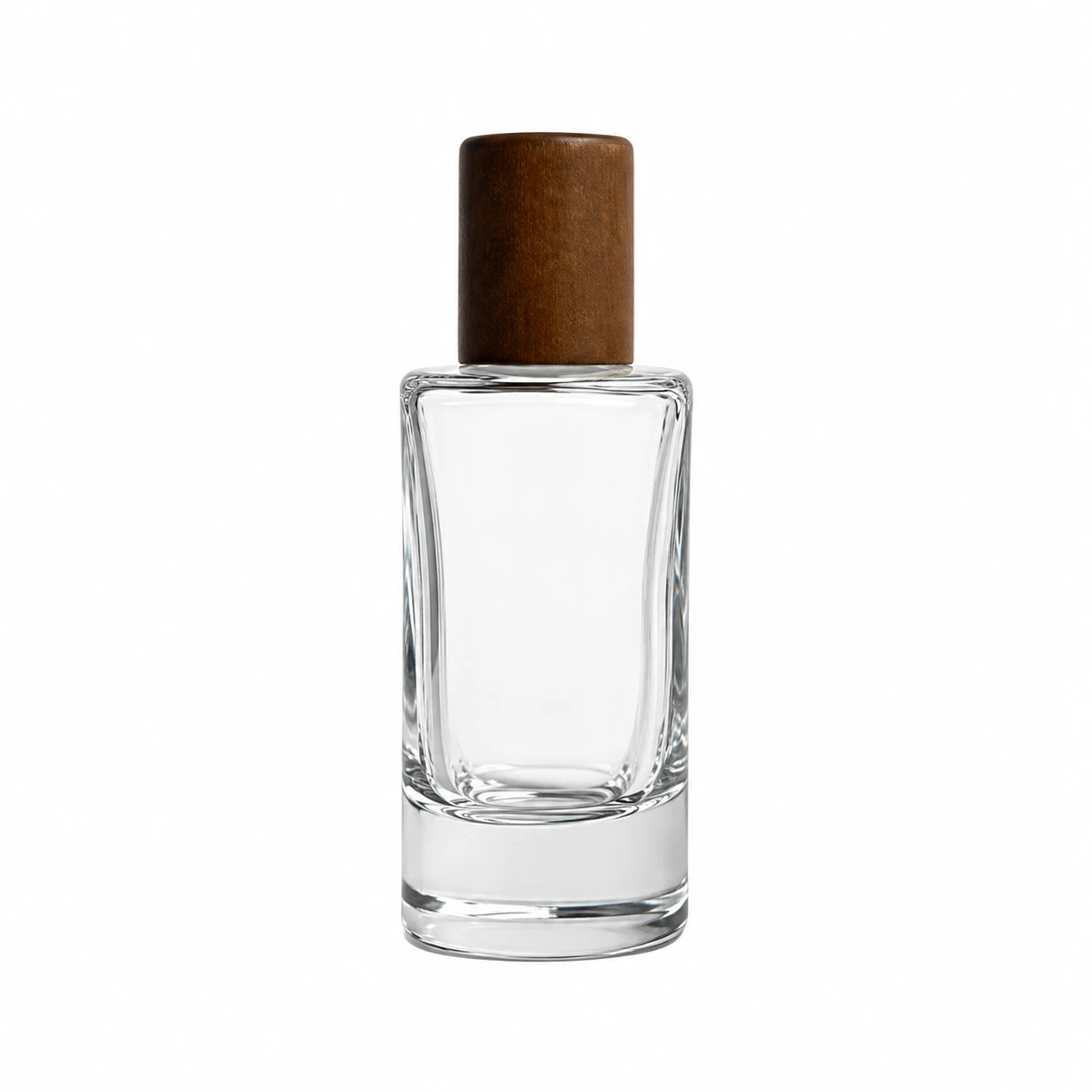
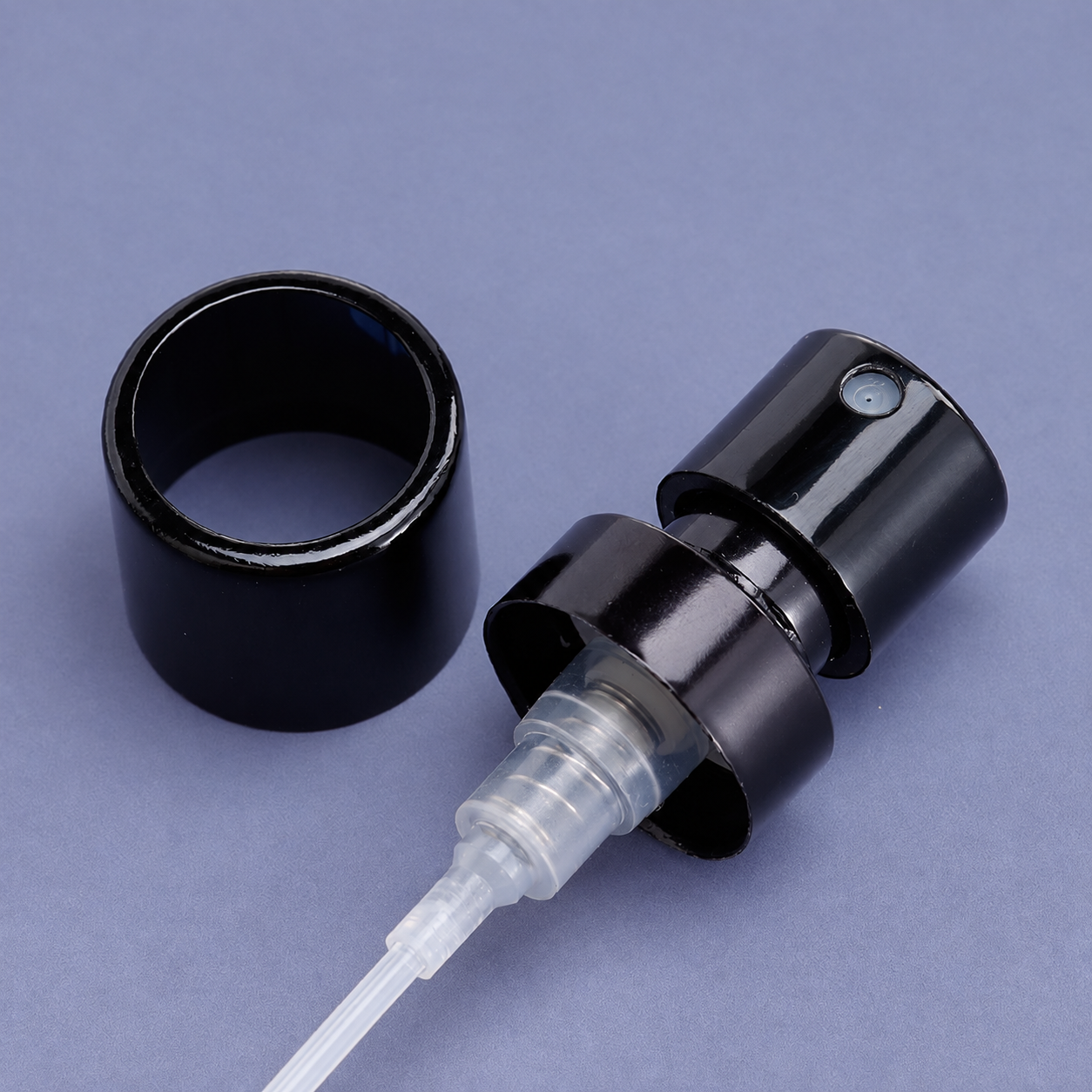
Reference photographs show product appearance. They are not defect examples, test results or evidence of a completed inspection.
Investigate a failed check · Browse bottle references · Compare 15mm pumps · Compare caps
Photograph the delivery before unpacking
Record labels and visible carton damage on arrival. Keep the packing and protection from affected cartons while an issue is investigated. One photograph of a broken bottle is harder to interpret without the carton and damage pattern.
Confirm who will inspect and what sampling or acceptance plan has been agreed. Avoid deciding a pass/fail threshold only after a problem appears.
Move from identity to condition
| Step | Record |
|---|---|
| Identify | References, finish versions and batch/carton labels. |
| Count | Quantities and component scope against the packing list. |
| Inspect | Observed condition against the agreed criteria. |
| Assemble | Selected parts compared with the retained approved set. |
| Resolve | Affected quantities, evidence and next action. |

Do not release an incomplete set
If bottles arrive before pumps and caps, the complete matching review is still open. Likewise, a visible receiving inspection does not replace the agreed filled-pack tests.
For a discrepancy, send what was ordered, what was found, which cartons are involved and how many units were checked. Keep affected parts identifiable while the responsible parties agree containment and next steps.
Explore products for this decision
Use these options to build your shortlist, then request the drawings or samples needed for your project.
Compare current shapes, sizes and bottle families.
View the options →COLLECTION / SERVICEPerfume spray pumpsBrowse pump configurations and nominal neck options.
View the options →COLLECTION / SERVICEPerfume cap collectionsCompare pictured finishes, construction and cap families.
View the options →These are options to compare. A product link does not establish compatibility between separately selected parts.